
Idaho State Legislative Update
Potential Changes to Idaho “Food Freedom” Rules

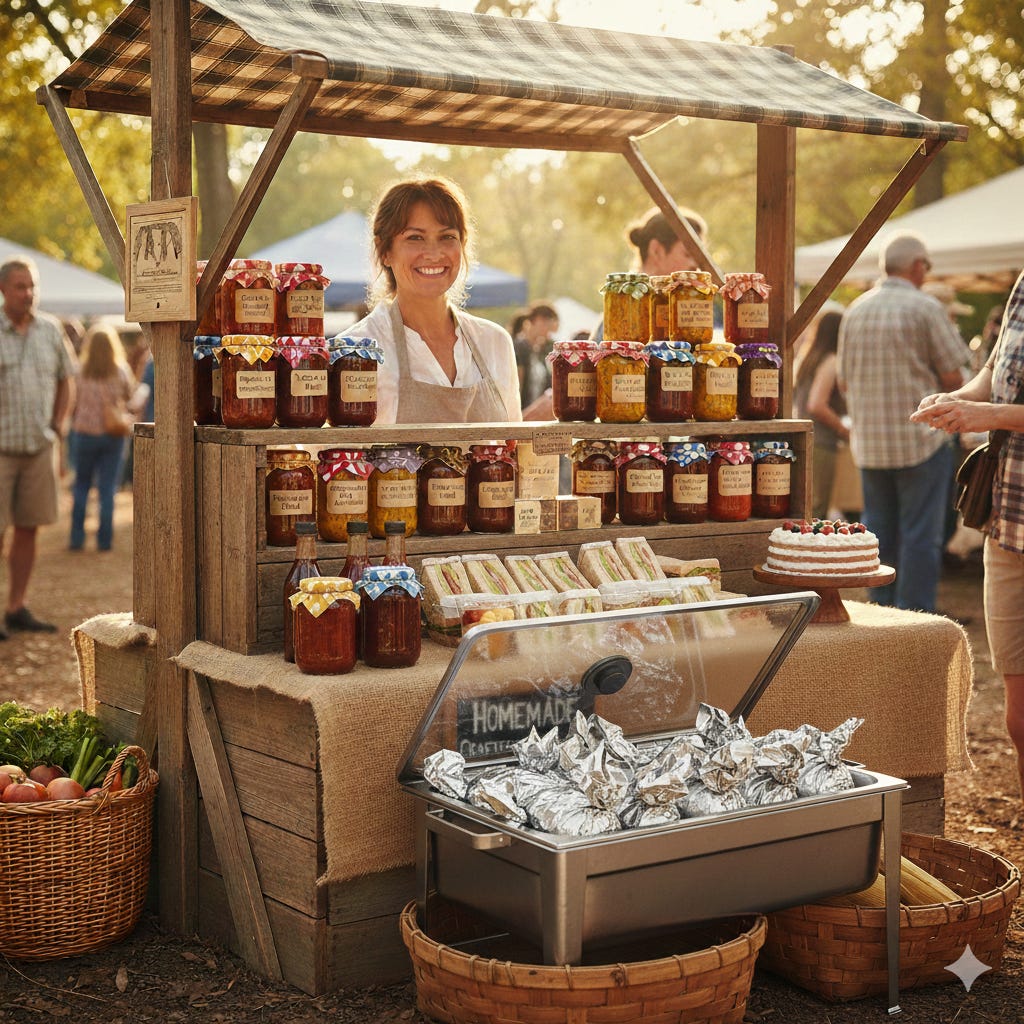
Update on Idaho Food Freedom Legislation (March 18, 2026)
We are closely monitoring the progress of two major bills in the Idaho Legislature that could significantly change how “cottage foods” are sold in our state.
Current Status:
HB 526: This bill appears to have died in committee and is no longer moving forward.
SB 1283 (The Direct-to-Consumer Food Sales Act): This bill has successfully passed both the Senate and the House. It is currently heading to the Governor’s desk for his signature.
What Happens Next? Once the bill is signed into law, our team will conduct a full review of the final text to provide guidance for local producers. We know there are many questions regarding what can be sold and how these new rules interact with federal standards.
We are committed to helping our community navigate these changes safely and successfully. Stay tuned—we will post a comprehensive article with all the “need to know” details after the law is finalized and we have received guidance from the Idaho Department of Health and Welfare.
A couple of bills are currently moving through our state legislature which will profoundly change what is allowed to be sold out of unlicensed food facilities (commonly referred to as cottage foods). Here are three “in practice” changes that may affect you if either of these bills are passed, plus a fourth change should the Senate bill (SB 1283) pass:
Expanded Product Lists: Upon going into law, unlicensed home kitchens will be able to sell perishable (TCS) foods. While these facilities are currently restricted to non-TCS items like baked goods and jams, pre-packaged items would become eligible (e.g., canned vegetables, tamales, BBQ sauces, and pickled products).
Note: SB 1283 explicitly allows for farm-raised fish and domestic rabbit, whereas HB 526 is limited to operations with less than $5,000 in annual sales and remains more restrictive regarding raw animal proteins.
Mandatory Disclosure: The intent of these bills is to open sales to an “informed consumer.” Products must include a label or placard stating they were produced in an uninspected facility. Labels must also include the producer’s contact information, a list of ingredients, and an allergen declaration.
Product vs. Service: These changes apply only to pre-packaged items. They do not apply to made-to-order items typical of food trucks, restaurants, or fair vendors who assemble food on-site. Those activities still require a standard health permit.
The “Designated Agent” Model (SB 1283 Only): If the Senate bill passes, a licensed food establishment can sell these products as long as they act as a “Designated Agent” on a consignment basis and do not take legal possession of the product. This allows unlicensed goods to be sold on retail shelves (like C-stores) provided they are physically separated from inspected inventory.
To see a copy of the bills, please click here: SB 1283 | HB 526
Implementation dates differ between the bills, but both would go into effect no later than July 1, 2026, if passed as currently written. We will provide a specific effective date if either bill is signed into law. We will update this article as needed with any changes or upon passage of either bill.
Final Note: The information provided above is for general informational purposes only and does not constitute legal, financial, or business advice. Each business owner must independently evaluate how these potential legislative changes may impact their specific operations, insurance coverage, and market strategy.
South Central Public Health District provides this summary to ensure our community is aware of pending regulatory shifts; however, the District assumes no liability for business decisions made based on this information.